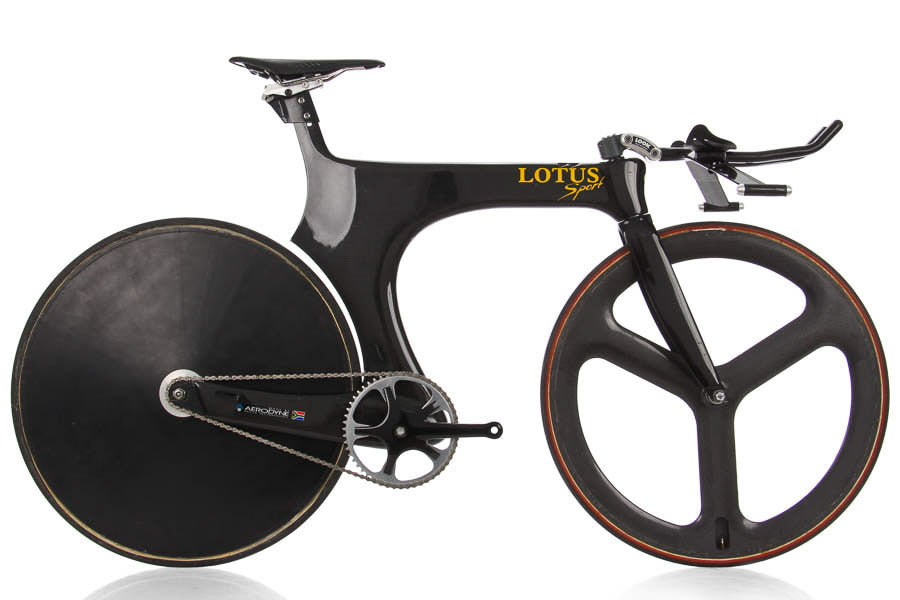
The frame is a bicycle's heart and soul. It binds all the components together into a cohesive machine. It is the bike's identity. Without it, a bike is nothing. But what kind of soul should your bike have? Does it have a space-age carbon-fiber frame or an affordable aluminum frame?
Most bike frames are made of either steel, titanium, aluminum, or carbon fiber. Steel and titanium are the most popular options for custom and handmade bike building. Most modern bikes, however, are made from aluminum or carbon fiber.
2026 update: Carbon vs. aluminum is still one of the biggest bike-buying questions, especially for road bikes, gravel bikes, and mountain bikes. Carbon bikes generally have the edge in low weight, aerodynamics, and finely tuned ride feel. Aluminum bikes generally win on price, toughness, and value. The best choice depends less on the material alone and more on your budget, riding style, components, tire clearance, fit, and how you actually use the bike.
Quick answer: If you want the lightest, fastest, most performance-focused bike, choose carbon. If you want the best value, easier ownership, and a bike you do not have to baby, choose aluminum. A good aluminum bike can be better than a cheap carbon bike, and a great carbon bike can be hard to beat if performance is the priority.
Contents:
- Carbon vs. Aluminum Bike Frame Comparison Chart
- Carbon vs. Aluminum Road Bike: Which Is Better?
- Bike Weight Comparison: Carbon vs. Aluminum
- Are Aluminum Bikes Harsh? Is Carbon More Comfortable?
- Are Carbon Bikes More Efficient, Stiff, or Responsive Than Aluminum?
- Are Aluminum Bikes More Durable than Carbon Bikes?
- Aluminum Bikes Are Usually Less Expensive Than Carbon Bikes
- Carbon vs. Aluminum: What Looks Better?
- Which Frame Material Should You Choose?
- Carbon vs. Aluminum Bike FAQ
- Carbon vs. Aluminum: What Conclusions Can We Draw?
How do you choose between aluminum and carbon fiber frames? Let's compare the key differences.
Carbon vs. Aluminum Bike Frame Comparison Chart
| Frame Material | Carbon | Aluminum | Steel | Titanium |
|---|---|---|---|---|
| Weight | Best | Good | Good | Better |
| Comfort | Best | Good | Best | Best |
| Responsiveness | Best | Better | Good | Better |
| Durability | Good | Better | Best | Best |
| Affordability | Good | Best | Better | Okay |
Note: There are always exceptions, but this is generally how different bike frame materials are perceived. A high-end aluminum bike can outperform a low-end carbon bike, and the full build matters as much as the frame material.
Carbon vs. Aluminum Road Bike: Which Is Better?
For road bikes, carbon usually has the performance edge. A carbon road bike can be lighter, more aerodynamic, and more finely tuned for stiffness and comfort. That is why most high-end race bikes, aero bikes, and lightweight climbing bikes use carbon frames.
That does not mean aluminum road bikes are bad. In fact, aluminum road bikes can be some of the best values in cycling. A good aluminum road bike can be light, fast, durable, and far less expensive than a comparable carbon bike. If you are new to road riding, racing crits, commuting, training hard, or shopping on a tighter budget, aluminum still makes a ton of sense.
The road-bike takeaway: Choose carbon if you want maximum performance, lower weight, aero shaping, and the most refined ride feel. Choose aluminum if you want value, durability, and better components for the same budget.
Bike Weight Comparison: Carbon vs. Aluminum
Even if you’re not a “weight weenie,” a lighter bike can improve the riding experience. It’s possible to build very light and capable bikes out of either aluminum or carbon. However, a carbon frame will almost always be lighter than an aluminum equivalent. Few materials can come close to carbon fiber's strength-to-weight ratio.
Using high-modulus carbon and clever engineering, designers produce carbon bikes that are very strong, while being ludicrously light. Many major manufacturers now produce carbon road bikes that weigh less than 15 pounds complete, and cross-country mountain bikes weighing in around 20 pounds.
Not all carbon is created equal though. Lower-grade carbon has more fillers, which reduces cost but adds weight. It is possible for a lower-modulus carbon frame to weigh more than a high-end aluminum frame. In this case, you get what you pay for.
 Of course, a frame only contributes to part of a bike's total weight. Components are the other half of the equation. A carbon frame with low-end components can weigh the same or more than a nice aluminum frame with high-end parts. Wheels make a huge difference in bike weight and how heavy it actually feels when riding.
The bottom line: With the right components, aluminum frames can still be competitively light, but if you’re looking for no-holds-barred lightweight performance, carbon is unbeatable.
[newsletter]
Are Aluminum Bikes Harsh? Is Carbon More Comfortable?
 The conventional wisdom in cycling has been that aluminum is stiff and harsh, while carbon is compliant and smooth. However, this subjective thinking is a bit outdated. It was true 20 years ago, when aluminum frames were unrefined. Aluminum is actually a fairly soft metal, so in the early days, builders used thick, oversized tubing for strength and durability. This made aluminum frames super-stiff — fine for racers, but too harsh for everyday riders.
Ride quality has long been a claimed benefit of carbon frames. Carbon can be engineered to be stiff in certain directions and compliant in other directions. This means a carbon frame can be comfortable over bumps and rough roads yet simultaneously efficient under pedaling. Bike marketers love using the old “laterally stiff and vertically compliant” chestnut.
Over the last couple of decades, improved technology has narrowed the comfort gap between aluminum and carbon. Manufacturers can now vary the shape of aluminum tubing throughout its length with hydroforming to achieve laterally stiff and vertically compliant ride characteristics. Frame tubes can be thinner — sometimes as thin as a soda can — in areas where compliance is desired and thicker where stiffness and strength are necessary. All this means that a modern aluminum frame isn’t significantly less comfortable on regular roads than its carbon counterparts.
Objectively quantifying the difference in comfort between two similar bikes is incredibly hard. Bike design has a huge influence on comfort. So do tires and touch points. If your bike feels harsh, wider tires with more supple casings and lower air pressure will make the greatest perceptible difference. Things like more compliant handlebars, seatposts, and thicker bar tape can make noticeable improvements too.
The bottom line: Carbon has a slight edge, but if comfort is your biggest concern, frame material is often secondary to other, more important factors. Is the bike intended for road racing or endurance riding? Look at things like tire clearance, fit, and geometry. Ultimately, no matter the frame material, comfort is something that can always be fine-tuned or improved.
Are Carbon Bikes More Efficient, Stiff, or Responsive Than Aluminum?
 Modern bikes are amazingly efficient, stiff, and responsive without feeling punishingly harsh. When you push hard on the pedals or dive into a corner, a good frame needs stiffness to resist the torsional forces that rob you of power or derail your bike's handling.
Does one material do this better than another? Technically, carbon comes out on top. With aluminum frames, manufacturers use different tube shapes and varying thicknesses to control the ride characteristics. But fundamentally, carbon fiber simply has more potential for engineers to tune ride quality. By changing the carbon layup, or the direction that carbon fibers are oriented, it can be made stiff in one specific direction and in one specific area.
The bottom line: Both carbon and aluminum frames can be made to be responsive, stiff, and efficient. The responsiveness and stiffness of carbon frames can be engineered and tuned to a higher level, giving carbon a slight edge over aluminum.
Are Aluminum Bikes More Durable than Carbon Bikes?
 Many riders are afraid of damaging an expensive carbon frame. Carbon fiber's strength-to-weight ratio is higher than steel and carbon frames can survive a lot of abuse. It also has a nearly infinite fatigue life and, under perfect conditions, long-term use won't "wear it out." The resin, however, can degrade when exposed to UV light, but that’s why frames are painted, even "raw" frames have clear coats with UV inhibitors built in.
The biggest risk is that carbon is still susceptible to cracks and other damage from direct impact, as you'd experience in a big crash. Fortunately, carbon can be easily repaired, and when done correctly, the repaired frame's performance and durability is indistinguishable from when it was new. That's something that can't be said for aluminum.
While aluminum frames cannot typically be repaired, they are less expensive to replace. Aluminum can also withstand some crashes and impacts and still be okay to ride. However, make sure you have your local bike shop check out your frame if you're concerned it might be damaged. Dents in key areas can compromise an aluminum frame. Cracks can appear in welds that can eventually lead to frame failure.
While carbon fiber has nearly infinite fatigue life, aluminum frames may not last for a lifetime of riding. Sometimes veteran riders will talk about how they can notice how an extremely old aluminum frame feels "softer" after years of riding. For most regular cyclists though, this isn't a common concern, as they'll never keep or ride an aluminum frame long enough for it to matter.
No matter your frame material, it's important to regularly inspect it to ensure it is safe. The simplest way to tell if carbon is cracked is to run a clean rag along the tubes to see if it snags on loose fibers. You can also tap on an area that's been impacted and listen to the sound — a dull "thwack" is a bad sign, but a clean, crisp "tick" might mean you're okay. Again, check with your friendly, local pro mechanic before assuming your bike is safe to ride.
Aluminum dents can vary from shallow cosmetic blemishes to deep dents. Ultimately, it’s always best to get your bike inspected by a trusted professional.
The bottom line: Any frame that’s properly cared for can last a long time. Bad luck and crashes can happen, and in these cases, aluminum might be more durable. It's certainly cheaper to replace. Carbon might be more susceptible to damage from impacts, but it can be repaired.
Aluminum Bikes Are Usually Less Expensive Than Carbon Bikes
There’s no real contest here. Carbon is more expensive. There is more engineering required, the manufacturing process is more labor-intensive, and every frame requires a dedicated mold that further increases the cost. It's possible for aluminum frames to be built by machine, but carbon fiber layup is still done by hand.
When considering bikes at an equal price point, an aluminum bike will generally have nicer components than a carbon bike. It is a balancing act between paying for frame quality and component quality. Remember, components are always easier to upgrade than frames.
The bottom line: Aluminum is cheaper. Whether or not that makes it better or worse can be a matter of taste. Good bikes are made at every price point. The lower cost of aluminum frames may free up your budget for higher-end components.
Carbon vs. Aluminum: What Looks Better?
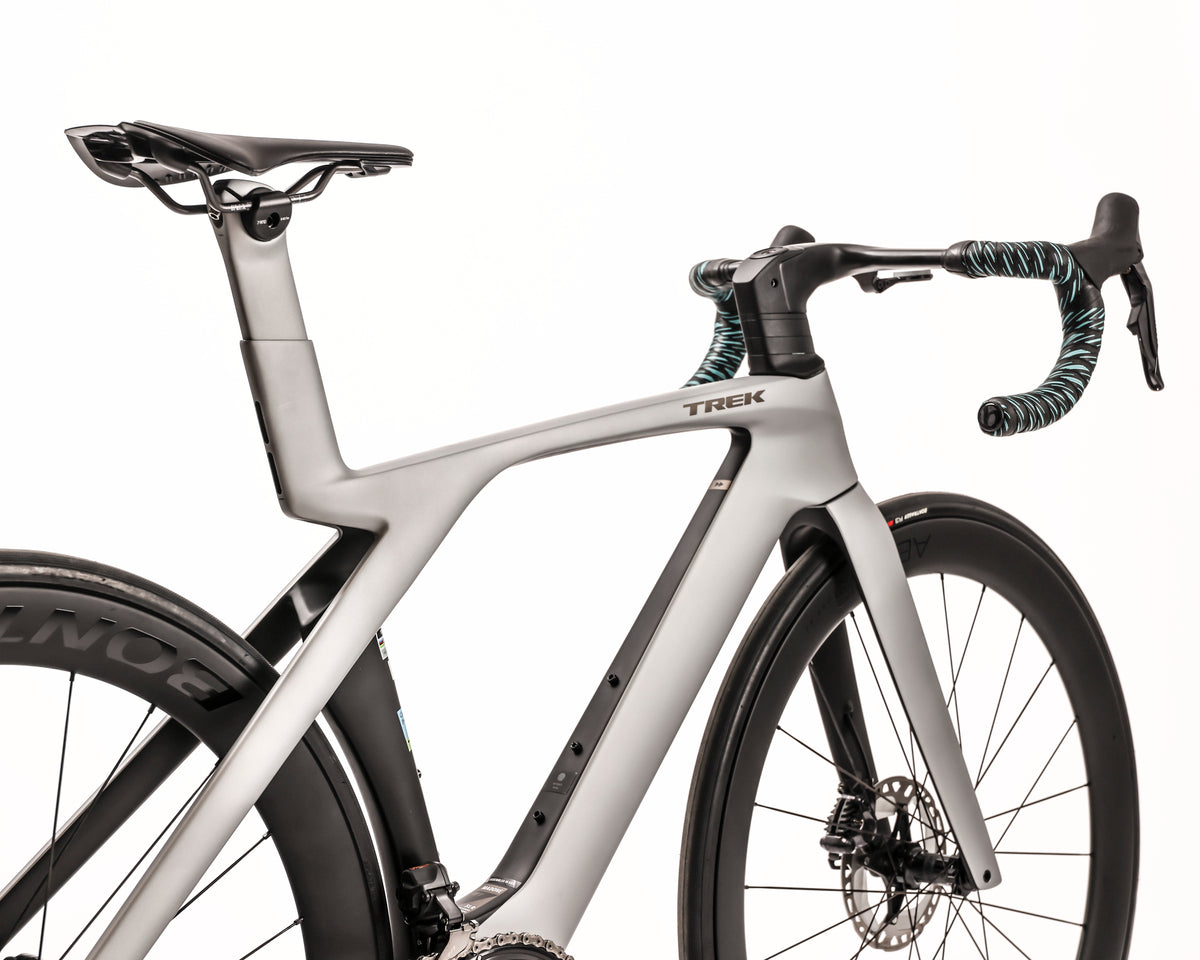 Carbon fiber opened up new possibilities in bicycle design. The smooth curves and swooping shapes of today’s bikes were unimaginable in the era of steel and titanium.
Aluminum bike manufacturing has also gotten good enough to produce bikes that look a lot like their carbon counterparts. Hydroforming allows manufacturers to form aluminum frames into smooth aerodynamic shapes. Seamless welds can add to that smooth appearance, making some new aluminum frames almost indistinguishable from carbon at a distance.
For some, welds can also be a mark of beauty. Perfect, clean, and even welds represent excellent craftsmanship. For some mountain bikers, thick, beefy welds can make a bike feel tough and ready for gnarly riding.
Ultimately, a good-looking bike could be made out of anything if it’s done right. It's up to the rider, and if you're happy, that's all that matters.
The bottom line: Beauty is in the eye of the beholder. Ride what you like and be happy!
Which Frame Material Should You Choose?
| Rider Type | Best Choice | Why |
|---|---|---|
| Performance road rider | Carbon | Lower weight, aerodynamic shaping, and highly tuned stiffness make carbon ideal for racing and fast road riding. |
| Budget-focused rider | Aluminum | Aluminum usually gives you better components for the money and keeps the total bike price lower. |
| New cyclist | Aluminum or used carbon | Aluminum is affordable and forgiving. Used carbon can also be a smart choice if inspected carefully. |
| Gravel rider | Depends on budget | Carbon can add comfort and reduce weight. Aluminum can be tougher on the wallet and still highly capable. |
| Mountain biker | Depends on terrain | Carbon saves weight and can feel precise. Aluminum is often cheaper to replace and great for aggressive riding. |
Carbon vs. Aluminum Bike FAQ
Is carbon better than aluminum for bikes?
Carbon is usually better for riders who prioritize low weight, stiffness, aerodynamics, and high-end performance. Aluminum is usually better for riders who prioritize value, durability, and lower replacement cost. Neither material is automatically better for every rider.
Are carbon bikes faster than aluminum bikes?
A carbon bike can be faster than an aluminum bike if it is lighter, more aerodynamic, or built with better components. But frame material alone does not determine speed. Tires, wheels, fit, rider fitness, position, and drivetrain efficiency all matter.
Is a carbon road bike worth it?
A carbon road bike is worth it if you care about weight, ride feel, aerodynamics, and performance. If you are newer to road cycling or shopping on a tighter budget, a good aluminum road bike may offer better value.
Is an aluminum road bike good?
Yes. Modern aluminum road bikes can be light, fast, comfortable, and affordable. They are especially good for newer riders, budget-conscious racers, commuters, trainers, and anyone who wants a strong bike without paying carbon prices.
Is carbon more comfortable than aluminum?
Carbon can be engineered for comfort more precisely than aluminum, but comfort depends on much more than frame material. Tire width, tire pressure, geometry, fit, saddle, seatpost, handlebar, and bar tape can all make a bigger difference than frame material alone.
Is aluminum more durable than carbon?
Aluminum can handle certain impacts well and is usually cheaper to replace, but it can dent, crack, and fatigue over time. Carbon can be very strong and has excellent fatigue life, but it can be damaged by sharp impacts. Both materials should be inspected after crashes.
Can carbon bike frames be repaired?
Yes. Many damaged carbon bike frames can be repaired by qualified carbon repair specialists. Aluminum frames are generally harder or less practical to repair, especially when dents or cracks affect structural areas.
Which is better for mountain bikes, carbon or aluminum?
Carbon mountain bikes are lighter and can feel more precise, while aluminum mountain bikes are often more affordable and cheaper to replace after major damage. For aggressive riders, budget and crash risk matter as much as frame weight.
Should beginners buy carbon or aluminum bikes?
Many beginners are better served by aluminum because it is affordable, durable, and often comes with better components at the same price. A used carbon bike can also be a good choice if it has been professionally inspected and fits the rider well.
Carbon vs. Aluminum: What Conclusions Can We Draw?
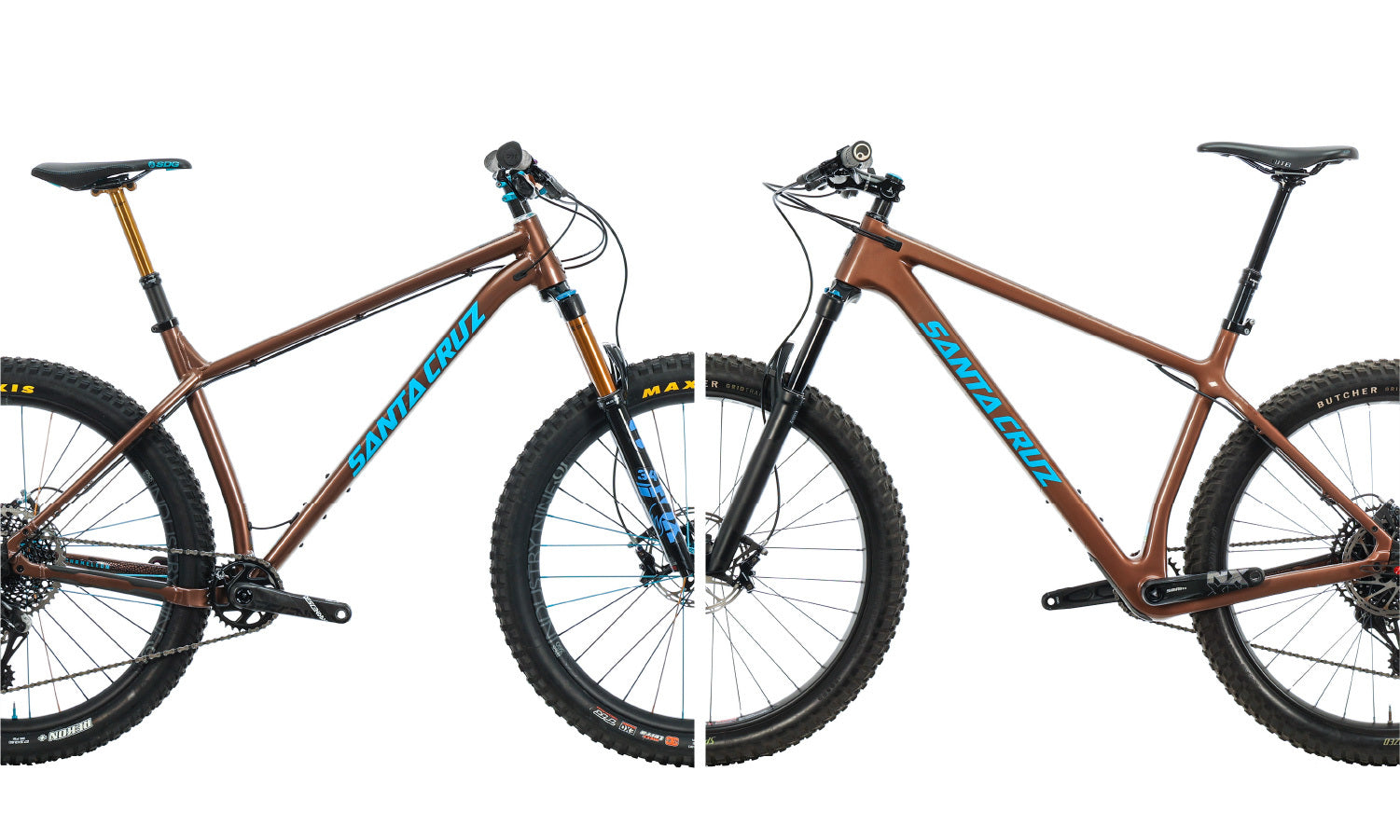 Based on this info, ask yourself questions when choosing a new bike. What's your budget? Are you a competitive rider or are you more casual? How much does weight matter? Are you planning to crash a lot? Some riders simply don’t need carbon. Some can’t stand the thought of riding aluminum.
Remember, though, that the most important part of a bike — even more so than the frame — is the rider. Pick the frame that you think can make you the happiest. That’s the best way to enjoy the ride. If you still want to compare carbon and aluminum bikes in-person, try a physical shop like TPC’s Louisville/Denver bike store. Pick bikes up to see how heavy they actually feel in real life. If you can, test ride them to compare the differences in weight or ride characteristics. Then, you can always buy online if you choose to do so.
[button]Shop Bikes[/button]